
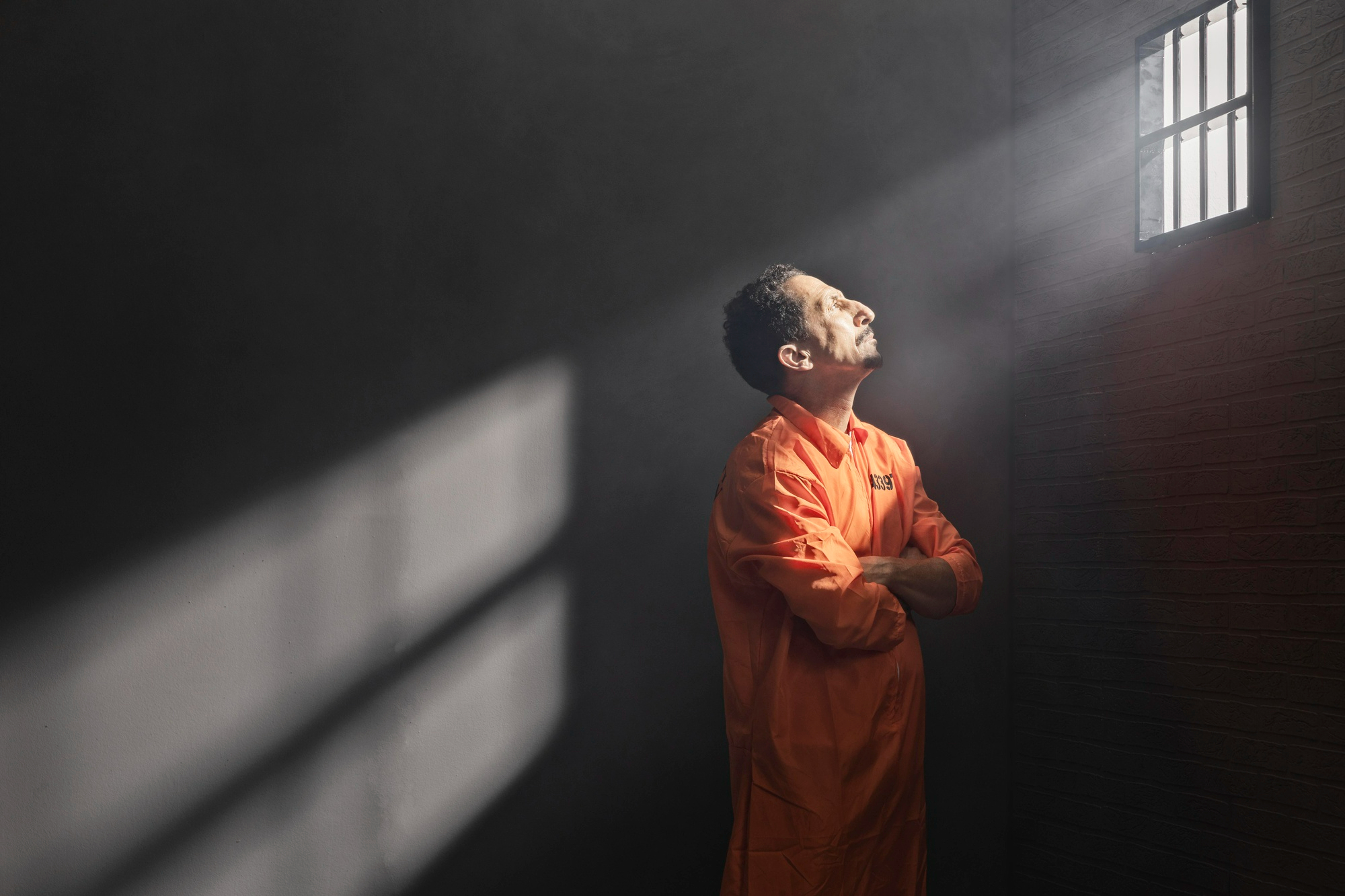
When I first walked into a Mauritian prison as a life coach, the heat hit me before the reality did. Thick concrete, the clank of metal doors, faces that had learned not to show much. Yet beneath the uniforms and the labels—thief, dealer, repeat offender—I met something unexpected: curiosity. Prison Life Coaching Mauritius begins in these moments, where punishment ends and the possibility of personal responsibility and change quietly starts.
A young man asked me quietly, “Coach, do you think people like us can really change, or is this just to look good on paper?”
That question sits at the heart of why life coaching for Mauritian prisoners is not a luxury. It is a necessity if we are serious about rehabilitation, prison reform and public safety in Mauritius.
This is not about being soft on crime. It is about being smart about what happens after the sentence is served.
From Punishment to Purpose: Why Life Coaching Is the Missing Link in Mauritius’s Prison Reform
Mauritius speaks often about becoming a modern, high income, knowledge economy. Yet our approach to prisons still leans heavily on old habits. Lock them up. Control. Contain. Hope they behave better when they leave.
Hope is not a strategy.
Most prisoners in Mauritius will return to society. Many are young. Some are in for non violent offences linked to poverty, addiction or impulsive decisions. If all they learn in prison is how to survive behind bars, then we should not be surprised when they come out more hardened, less hopeful and more dangerous.
Life coaching is the missing psychological bridge between punishment and purpose. It does not excuse the crime. It asks, “What now?”
What kind of person do you want to be from this point on?
What patterns in your thinking and emotional life brought you here?
What strengths have you never learned to use?
Those questions may sound simple from the outside. Inside a cell, they can be radical.
The Psychology of a Locked Mind
We talk a lot about overcrowding and not enough about overloading. Many Mauritian prisoners have nervous systems overloaded with trauma, shame, poverty, abuse, addiction or years of feeling useless. Their bodies are in prison, but their minds were trapped long before sentencing.
Psychologically, many of them live in a loop.
“I am bad, so I do bad things. I do bad things, so everyone sees me as bad. There is no point trying to be anything else.”
This is not just low self esteem. It is an identity crisis. When a person has fused their sense of self with their worst action, rehabilitation is almost impossible. Punishment alone reinforces the story.
Life coaching works at the level of narrative and identity. It helps a prisoner separate:
What I did.
From who I can still become.
In one session, I asked an inmate in his thirties, in for repeated drug offences, “If I removed your criminal record from the story for a moment, who are you when no one is judging you?”
He was silent for a long time. Then he said, “I used to fix motorbikes in my neighbourhood. People trusted me with their bikes. I was good at that. I liked when they smiled and said, ‘Boss, ou inn bien fer sa.’”
That moment was not therapy. It was an identity pivot. We had found a version of him that was competent, trusted and proud of something. From there, we could build.
What Actually Happens in Life Coaching Behind Bars
People often imagine that life coaching for prisoners is a motivational speech and a few nice quotes. That would be a waste of everyone’s time.
Real coaching inside a Mauritian prison is structured, challenging and respectfully confrontational. It often includes:
- Clear goal setting. Not just “I want a better life” but “I want to leave prison with a plan for work, a plan for staying clean, and one relationship I am committed to rebuilding.”
- Exploration of beliefs. “All police are against me.” “I am doomed to fail.” “If I do not make fast cash, I am nothing.” We question these beliefs, gently but firmly.
- Emotional literacy. Many prisoners can describe a fight in detail but cannot name what they feel beyond “ennervé”. Coaching builds vocabulary around shame, fear, grief, envy, love and hope. When you can name an emotion, you are less likely to be controlled by it.
- Accountability. We do not romanticise the crime. I regularly say, “You chose this action. You created this result. Now, are you willing to choose differently?”
In a group session one afternoon, I asked the men, “What is the hardest thing about changing your life?”
One replied, half joking, “It is easy to change life inside. It is outside that is dangerous.”
Everyone laughed, but there was painful truth inside the humour. Life coaching prepares prisoners not only to survive prison, but to re enter a society that often expects them to fail.
Stories from Inside: From Aggression to Agency
Let me share two brief stories, with details changed to protect identity, but the essence kept real.
First, a young man in his twenties, in for a violent offence. In the first sessions he sat with arms folded, eyes cold, giving me one word answers. He told me, “Coach, I do not like to talk. I fight.”
We worked slowly, session by session, on what happens in his body 5 seconds before a fight. Where does the tension start. What thought flashes in his mind. What image of himself he is trying to protect.
Months later, he said, “You know, I almost fought last week. But I went to the yard instead. I walked it off. I told myself, ‘I am not a dog. I can choose.’”
That is not a quote for a poster. That is a nervous system learning a new path.
Second, a man in his forties, in for repeated thefts. He believed he was simply “a crook”. When we explored his past, we discovered a boy who had left school early to support his family, who was excellent at bargaining in the market, who could see opportunities everywhere. The same creativity that fed his family later fed his criminal choices.
My job as a coach was to ask, “How can that same creativity serve you legally?”
By the time our cycle ended, he was sketching a plan to start a small mobile service repairing appliances after release. Will he succeed. None of us knows yet. But the mental shift from “I am a crook” to “I am a problem solver” is already a form of social protection.
Why Mauritius Needs Life Coaching in Every Prison
Let us be blunt. A prisoner who leaves with no insight, no emotional tools and no plan is a risk to all of us.
We spend significant public money to keep people behind bars. We spend far less to help them not return. That is bad economics and poor psychology.
Integrating structured life coaching programmes across Mauritian prisons would:
- Reduce recidivism by helping prisoners build self awareness and future oriented plans.
- Support mental health by giving them a safe space to process guilt, grief and fear.
- Strengthen families, because a person who understands their emotional patterns is less likely to repeat cycles of violence or neglect at home.
- Improve prison culture itself, as more inmates learn to regulate anger and take responsibility for their choices.
We happily invest in concrete, cameras and uniforms. What about investing in clarity, conscience and courage.
A Quiet Revolution in Orange Uniforms
The real measure of a nation is not how it treats its perfect citizens, but what it does with its broken ones. Mauritius loves to call itself a paradise island. Our prisons tell a more complicated story.
When I sit across from a prisoner in a coaching session, I am not looking at an angel. I am looking at a human being who has done harm, often after being harmed themselves. I hold two truths at once.
You are responsible for what you did.
You are still capable of writing a different chapter.
Life coaching for Mauritian prisoners is not a magic trick. It is a disciplined, evidence informed way of helping people confront their inner chaos and discover inner leadership. It turns punishment into an opportunity for purpose.
If we truly care about public safety, about the dignity of every person, and about the kind of society we are building on this small island, then coaching should not be a rare privilege for a few inmates. It should be woven into the fabric of prison reform in Mauritius.
Sometimes the most radical thing you can offer a prisoner is not a softer pillow, but a harder question.
Who do you choose to be now, knowing what you know, and having lived what you have lived.
When that question is asked with respect, rigour and hope, a locked cell can become the starting point of genuine freedom. Not just for the prisoner, but for all of us who will one day share the same streets, workplaces and buses with them.


Leave a Reply