
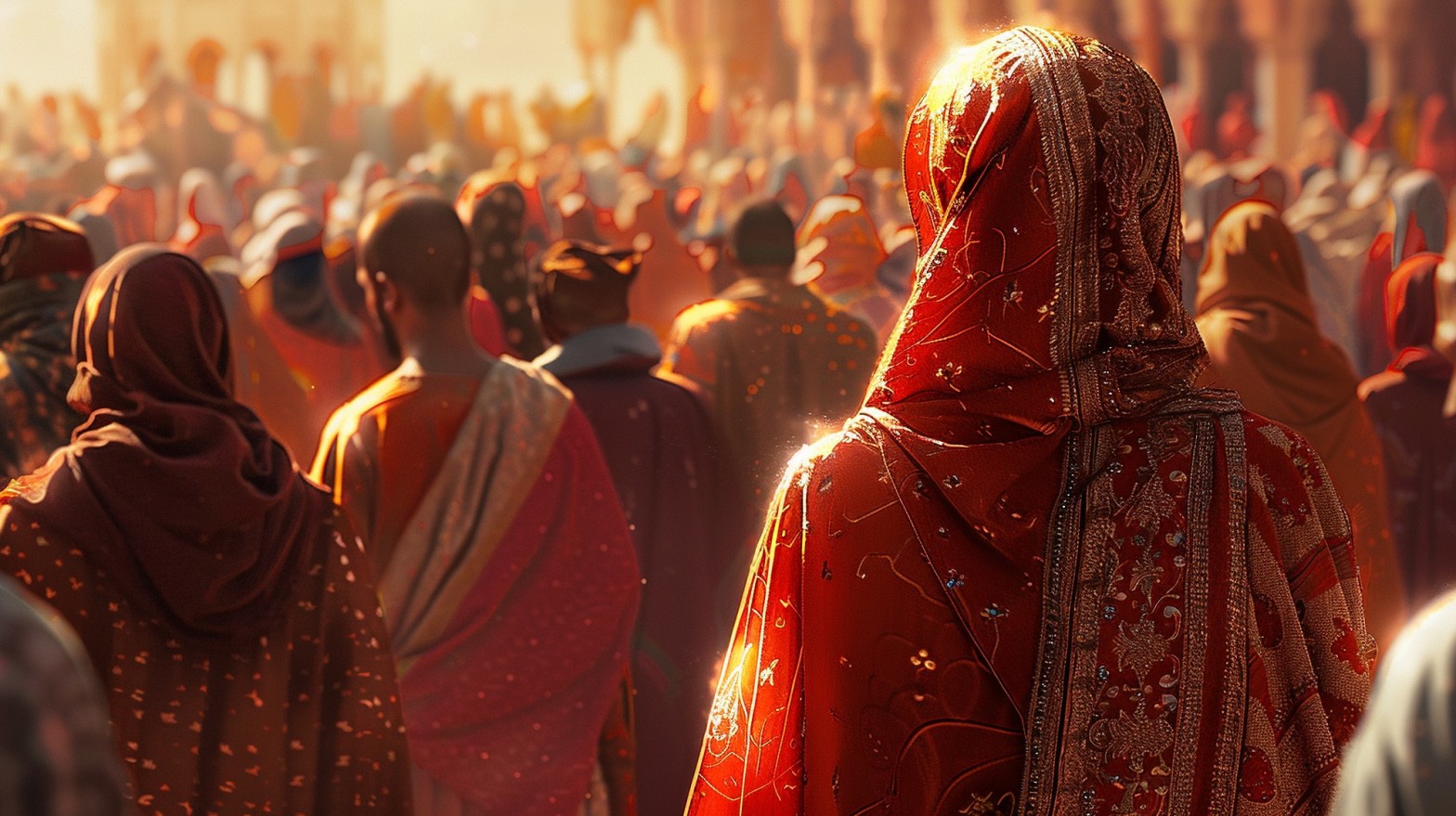
In our modern world, religion often wields an incredible influence over societies and individuals alike. For those interested in philosophy, spirituality, or religious studies, understanding this power play can unravel the complex tapestry of human identity. From ancient spiritual roots to present-day complexities, the evolution of religious identity speaks volumes about humanity’s quest for meaning and belonging.
This article explores how religion shapes individual and collective identities, examining both its unifying force and its potential for division. We’ll trace the growth of religious diversity, its impact on personal identity, and the power dynamics at play. By the end, you’ll have a deeper insight into religion’s profound role in shaping human experience.
Table of Contents
Origins of Human Identity
At the beginning of time, humans were simply a part of nature, without labels or divisions that later emerged. They lived in harmony with the world, connected by their shared humanity. Over centuries, as civilisations grew, so did the need to understand existence and purpose, giving birth to spiritual beliefs that would later formalise into religions.
The early humans’ search for meaning laid the groundwork for the major world religions we know today. These belief systems provided structure and explanations for life’s mysteries, offering solace and guidance. As religious doctrines evolved, they began to influence personal identity, distinguishing groups based on shared beliefs and practices.
However, as these boundaries solidified, they also sowed the seeds for division. The once-unified human identity became fragmented by religious affiliations, each carrying its own set of customs, values, and worldviews. This division marked the beginning of a complex relationship between religion and identity, shaping societies across the globe.
The Rise of Distinctive Religious Identities
Religious identities became more distinct with time, branching into numerous denominations and sects. People were no longer merely adherents of a significant religion; they belonged to intricate subgroups, each with unique traditions and interpretations. This expansion of religious diversity mirrored societal evolution, as cultural and historical contexts shaped distinct religious expressions.
In India, for instance, Hinduism saw the emergence of various castes and sects like Brahmins and Vaishyas, each with distinct roles and responsibilities. Similarly, Islam branched into Sunni and Shia, while Christianity divided into Catholicism, Orthodoxy, and Protestantism. This diversification highlighted religion’s adaptability to different cultures and contexts and introduced challenges in preserving unity within faith communities.
This mosaic of religious identities reflects humanity’s dynamic nature, where individuals seek both belonging and distinction. However, this diversity can also lead to misunderstandings and conflicts, as varying interpretations of doctrine can create rifts within and between religions.
Religion as a Demonstration of Power
Religion’s influence extends beyond personal identity, often serving as a means of power and control within societies. Religious institutions have wielded authority throughout history, shaping laws, governance, and cultural norms. This power dynamic is evident in theocratic states, where religious leaders hold significant sway over political and social affairs.
Religious power is not confined to governance; it permeates everyday life, influencing moral and ethical standards. Religious teachings often dictate societal values, affecting education, family life, and community interactions. This control can provide stability and unity but also stifle individual freedoms and propagate intolerance.
In Mauritius, for example, the interplay of Hindu, Muslim, and Christian communities reflects how religion shapes social dynamics. Each group maintains its cultural identity while contributing to the broader national fabric. However, navigating this diversity requires a careful balancing of power and mutual respect.
The Role of Religion in Personal Identity
For many, religion is a core component of personal identity, offering a sense of belonging and purpose. It provides a framework for understanding the self, guiding moral decisions and life choices. Religious rituals and practices become markers of identity, distinguishing individuals within broader societies.
However, the intertwining of religion and identity can also lead to challenges. Individuals may face internal conflicts when personal beliefs diverge from religious teachings, or when societal norms clash with religious values. Navigating these tensions requires self-reflection and open dialogue, both within oneself and with others.
In India, where religion is deeply embedded in daily life, individuals often grapple with balancing tradition and modernity. Young people, in particular, may struggle to reconcile their religious upbringing with contemporary societal shifts, leading to evolving identities that blend old and new.
The Paradox of Religious Diversity
The rich tapestry of religious diversity presents both opportunities and paradoxes. On one hand, it fosters cultural exchange and mutual understanding, enriching societies with varied perspectives. Conversely, it can exacerbate divisions, as religious differences become points of contention and conflict.
The challenge lies in harnessing the positive potential of diversity while addressing its pitfalls. Encouraging interfaith dialogue and collaboration can bridge gaps, fostering unity amidst diversity. Educational initiatives that promote religious literacy and tolerance are vital in cultivating inclusive societies.
Religious diversity should be celebrated, not feared. It offers a unique opportunity to learn from one another, broadening horizons and deepening empathy. By acknowledging and respecting diverse beliefs, societies can cultivate environments that honour both individual identities and collective harmony.
Unveiling the Power Dynamics
The interplay of religion and power is a complex dance, shaped by historical, cultural, and social factors. While religion can unify and empower communities, it can also serve as a tool for manipulation and control. Understanding these dynamics is crucial in navigating the modern religious landscape.
In India, the caste system exemplifies how religion can be used to exert control and maintain hierarchies. This social structure, rooted in religious doctrine, has perpetuated inequality for centuries. Efforts to dismantle these hierarchies require challenging entrenched beliefs and advocating for equality and justice.
Similarly, in Mauritius, religious leaders wield significant influence, shaping societal norms and values. Balancing this power requires transparency and accountability, ensuring that religious authority serves the common good rather than individual agendas.
Navigating Identity in a Globalised World
In today’s interconnected world, religious identities are increasingly fluid, influenced by globalisation and cultural exchange. Individuals often find themselves navigating multiple identities, balancing religious heritage with global influences. This dynamic landscape presents both challenges and opportunities for self-discovery.
For spiritual seekers and philosophy enthusiasts, this fluidity encourages exploration and growth. Engaging with diverse beliefs and practices fosters a deeper understanding of one’s own identity and values. It invites individuals to question assumptions and seek truth beyond dogma.
Religious scholars can play a vital role in this exploration, offering insights and perspectives that bridge traditional teachings with contemporary realities. They empower individuals to forge authentic identities that honour their unique journeys by fostering open dialogue and critical inquiry.
The Future of Religious Identity and Power
As we look to the future, the relationship between religion, identity, and power will continue to evolve. Technological advancements and cultural shifts will reshape how individuals engage with religion, creating new opportunities for expression and connection.
Religious institutions must adapt to these changes, balancing tradition with innovation to remain relevant and impactful. This requires openness to change and a willingness to engage with emerging issues such as climate change, social justice, and digital ethics.
For individuals, the future offers a chance to redefine what it means to be religious, spiritual, or philosophical. It invites us to question established norms and explore new paradigms that resonate with our evolving identities.
Fostering Unity Amidst Diversity
In a world rich with diversity, fostering unity is both a challenge and an opportunity. Religion, with its power to connect and divide, plays a pivotal role in this endeavour. Societies can transcend differences and build inclusive communities by focusing on shared values and common goals.
Interfaith initiatives and collaborative projects offer paths to unity, promoting understanding and cooperation across religious boundaries. These efforts can address pressing global issues such as poverty, inequality, and environmental degradation, harnessing religion’s influence for positive change.
Ultimately, fostering unity requires a commitment to dialogue, empathy, and compassion. It calls for recognising the humanity in each individual, regardless of religious affiliation, and working together towards a common vision of peace and justice.
The Call for Personal Reflection and Growth
The exploration of religious identity and power invites personal reflection and growth. It challenges individuals to examine their beliefs, question assumptions, and seek deeper understanding. This introspection is essential for spiritual seekers and philosophy enthusiasts on their journeys of self-discovery.
Engaging with diverse perspectives enriches one’s worldview, encouraging openness and adaptability. It cultivates resilience in the face of change and uncertainty, empowering individuals to navigate life’s complexities with confidence and grace.
For religious scholars, this reflection offers opportunities for innovation and scholarship. By staying attuned to contemporary issues and engaging with diverse voices, they contribute to the ongoing evolution of religious thought and practice.
Conclusion
In the paradox of identity and religious diversity, lies both challenge and promise. Religion’s power to shape identities and societies is undeniable, but it is not without complexities. Acknowledging these nuances can harness religion’s potential for unity and growth.
For philosophy enthusiasts, spiritual seekers, and religious scholars, this exploration offers valuable insights into the human experience. It invites us to reflect on our identities and religion’s role in our lives, prompting us to seek truth beyond boundaries.
In our quest for understanding, we find strength in diversity, wisdom in dialogue, and hope in the shared pursuit of a more compassionate and connected world.


Leave a Reply