
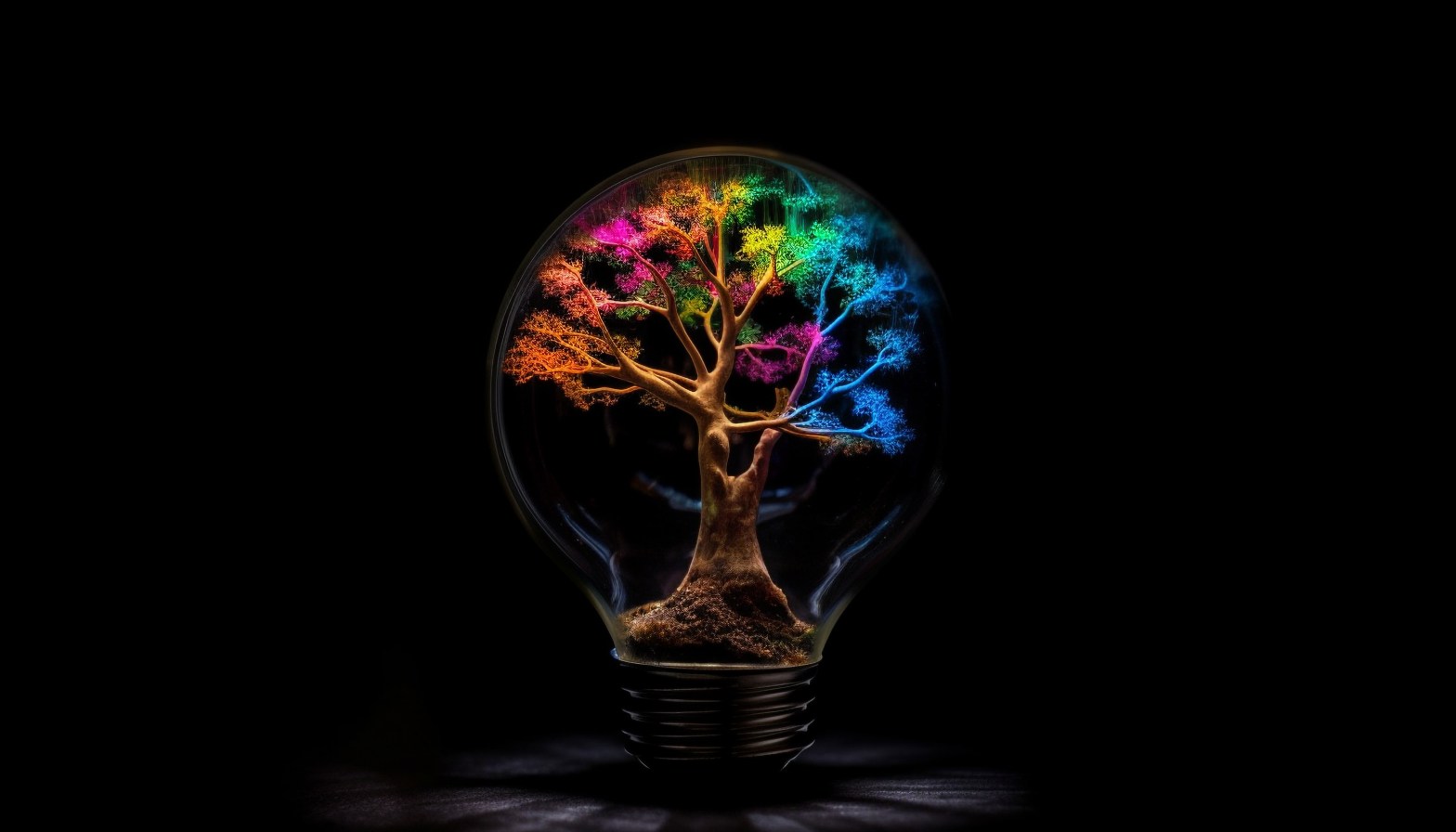
Creativity is one of the most powerful tools we have as human beings. It allows us to solve problems, express ourselves, and innovate in ways that shape our world. Yet, creativity is often misunderstood as a rare gift possessed by only a select few—artists, musicians, or writers. The truth is that creativity is a skill that resides within all of us. It’s not just about painting a masterpiece or composing a symphony; it’s about thinking differently, finding solutions, and approaching life with curiosity and imagination.
In this blog, we’ll explore what creativity truly means, why it’s important, and how you can nurture your own creative potential. Whether you’re looking to enhance your professional problem-solving skills or simply add more joy to your personal life, unlocking your inner genius is well within your reach.
What is Creativity?
Creativity can be defined as the ability to generate new ideas, connections, or solutions that are both original and valuable. It’s not confined to artistic pursuits; creativity can manifest in science, business, education, and even day-to-day problem-solving. When you find a clever way to organise your workspace or come up with an innovative solution at work, you’re being creative.
At its heart, creativity is about looking at the world differently. It’s about seeing opportunities where others see obstacles and imagining possibilities that others might overlook. Importantly, creativity isn’t just an innate talent—it’s a skill that can be developed with practice and intention.
Why is Creativity Important?
In today’s fast-paced world, creativity is more valuable than ever. It allows us to adapt to change, solve complex problems, and innovate in ways that drive progress. In professional settings, creativity can lead to groundbreaking ideas and competitive advantages. In personal life, it enriches our experiences and helps us find joy in self-expression.
Moreover, creativity fosters resilience. When faced with challenges, creative thinking enables us to explore alternative solutions rather than feeling stuck or defeated. It also encourages curiosity—a quality that keeps us learning and growing throughout our lives.
Techniques to Enhance Creativity
If you’ve ever felt like you’re “not a creative person,” don’t worry—creativity can be cultivated. Here are some practical techniques to help you tap into your inner genius:
1. Set Aside Time for Creativity
Creativity thrives when given space to flourish. Just like physical fitness requires regular exercise, creative thinking benefits from dedicated time in your schedule. Set aside moments each day or week for activities like writing, drawing, brainstorming ideas, or exploring new hobbies.
2. Try Something New
Stepping out of your comfort zone can spark fresh ideas and perspectives. Take up a new hobby or learn a skill you’ve always been curious about—whether it’s photography, gardening, or playing a musical instrument. New experiences stimulate the brain and inspire creative thinking.
3. Embrace Constraints
While it may seem counterintuitive, limitations can boost creativity by forcing you to think resourcefully. For example, working within a tight budget or time frame often leads to innovative solutions because you’re compelled to make the most of what you have.
4. Practice Playfulness
Play isn’t just for children—it’s essential for adults, too! Engaging in playful activities like doodling, role-playing games, or even building with LEGO can stimulate your imagination and activate brain parts associated with creative thinking.
5. Keep a Journal
A journal is an excellent tool for capturing ideas as they come to you. Write down thoughts, sketches, or snippets of inspiration without worrying about perfection. Over time, your journal will become a treasure trove of ideas to revisit and develop further.
6. Brainstorm Without Judgement
When brainstorming ideas—whether alone or in a group—focus on quantity over quality at first. Let the ideas flow freely without self-criticism or overthinking. Once you have a list of possibilities, you can refine them into actionable solutions.
7. Relaxation Techniques
Stress stifles creativity by narrowing our focus and limiting our ability to think freely. Incorporate relaxation techniques like meditation, deep breathing exercises, or yoga into your routine to create mental space for new ideas.
Aleatory Techniques: Embracing Chance
Sometimes, randomness can be a powerful catalyst for creativity. Aleatory techniques involve introducing elements of chance into the creative process—for example:
- Random Word Prompts: Flip through a dictionary and pick random words as inspiration for writing or brainstorming.
- Collage Making: Use random images from magazines to create visual art.
- Musical Improvisation: Experiment with random notes or rhythms when composing music.
These techniques encourage spontaneity and help break free from rigid thought patterns.
Overcoming Creative Blocks
Even the most creative minds encounter blocks from time to time—but they’re not insurmountable! Here are some strategies for overcoming them:
1. Change Your Environment
Sometimes, all it takes is a change of scenery to spark fresh ideas. Work in a different room, visit a park or rearrange your workspace for a new perspective.
2. Take Breaks
Stepping away from a problem allows your subconscious mind to process it in the background. When you return later with fresh eyes, solutions often present themselves more clearly.
3. Seek Inspiration
Expose yourself to diverse sources of inspiration—read books outside your usual genre, listen to different types of music, and visit art galleries or museums.
4. Collaborate with Others
Engaging with people who have different perspectives can lead to unexpected insights and ideas you wouldn’t have arrived at on your own.
The Power of Mindset
Finally, cultivating the right mindset is crucial for unlocking creativity. Adopting a growth mindset—the belief that abilities can be developed through effort—encourages experimentation and resilience in facing challenges.
Remember that failure is an essential part of the creative process; every misstep teaches you something valuable and brings you closer to success.
Conclusion
Creativity isn’t reserved for the “gifted” few—it’s an innate human quality anyone can develop with practice and intention. By setting aside time for creative pursuits, embracing new experiences, and adopting strategies like journaling or brainstorming without judgment, you’ll begin unlocking your inner genius.
Whether you’re solving problems at work or finding joy in personal projects like painting or writing poetry—creativity enriches every aspect of life. So go ahead: explore new possibilities fearlessly and let your imagination soar!
Mufamadi Sharon


Leave a Reply